Driving Conversion through Behavioral UX

Problem
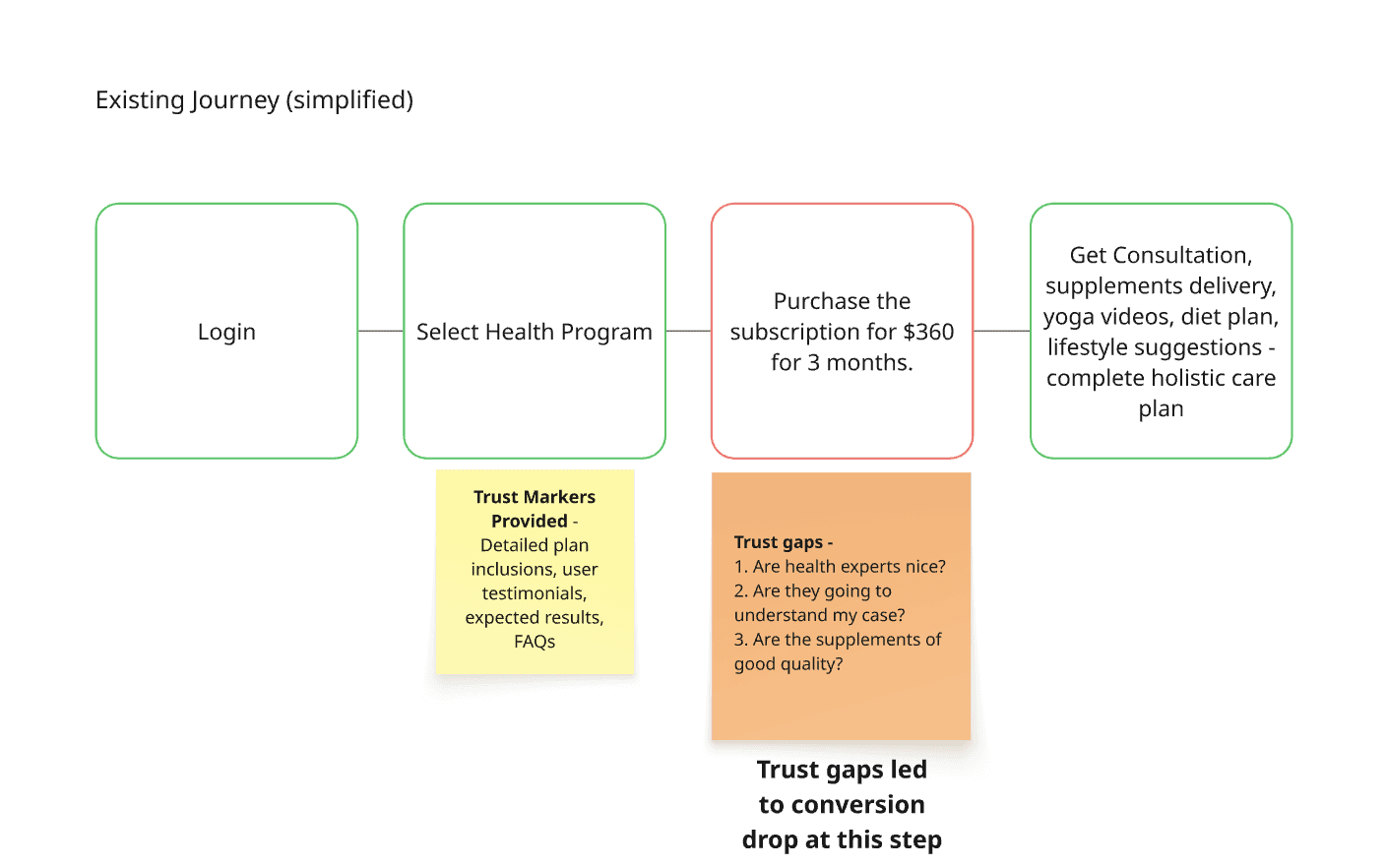
Live Your Best Life - a 0 to 1 health tech startup in US was facing conversion issues, directly impacting the revenue.
Everyone loved our app. They just didn’t want to pay for it.
We were getting compliments like:
“Looks cool, but I’m not sure it’s worth it yet.”
“The app is promising, but I would wait for some more time before subscribing.”
Basically, users were curious, not committed.
Diagnosis
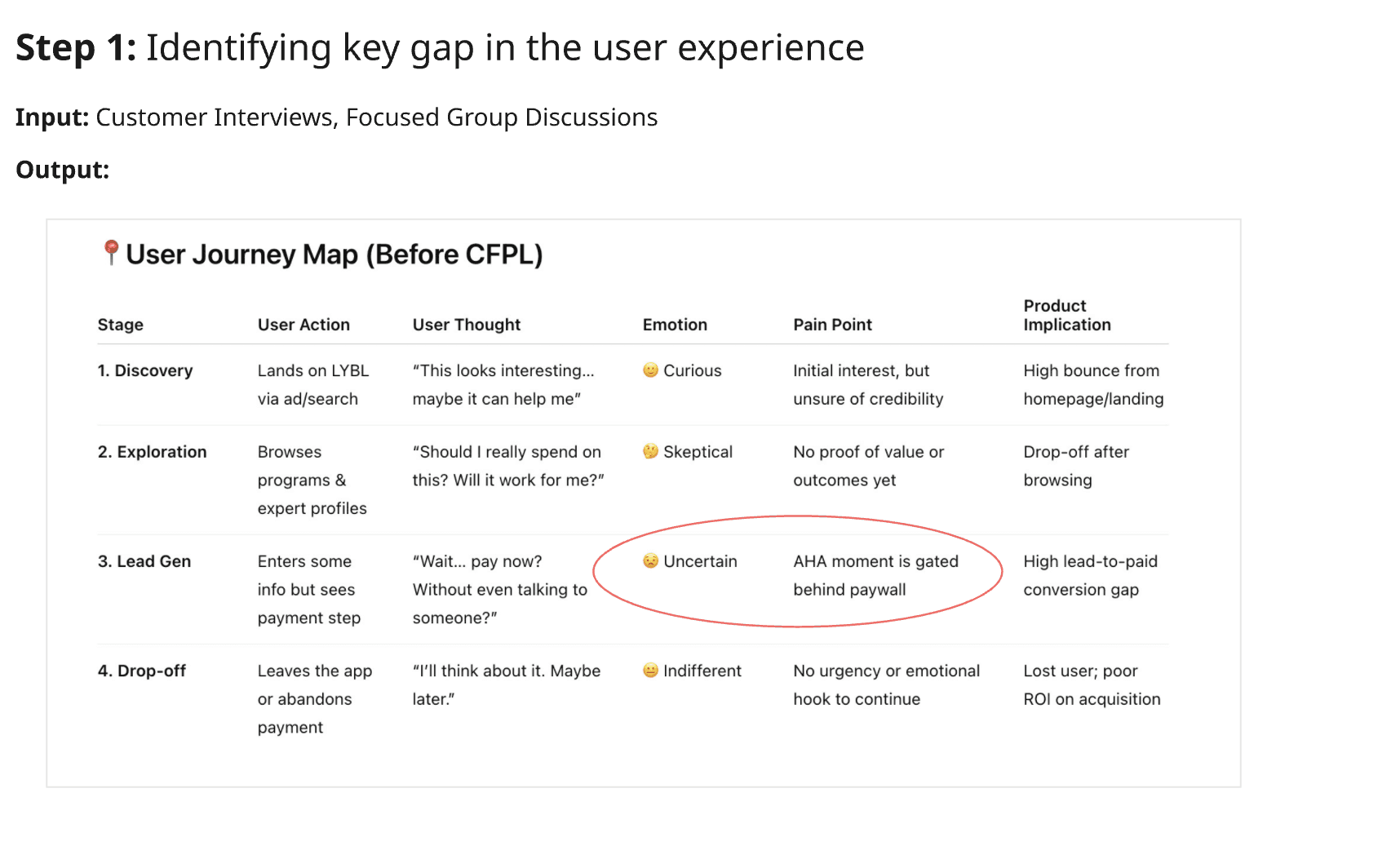
Classic trust barrier + commitment phobia.
Think dating without the “first coffee.”
Idea - Find the AHA (Before the Bye-Bye)
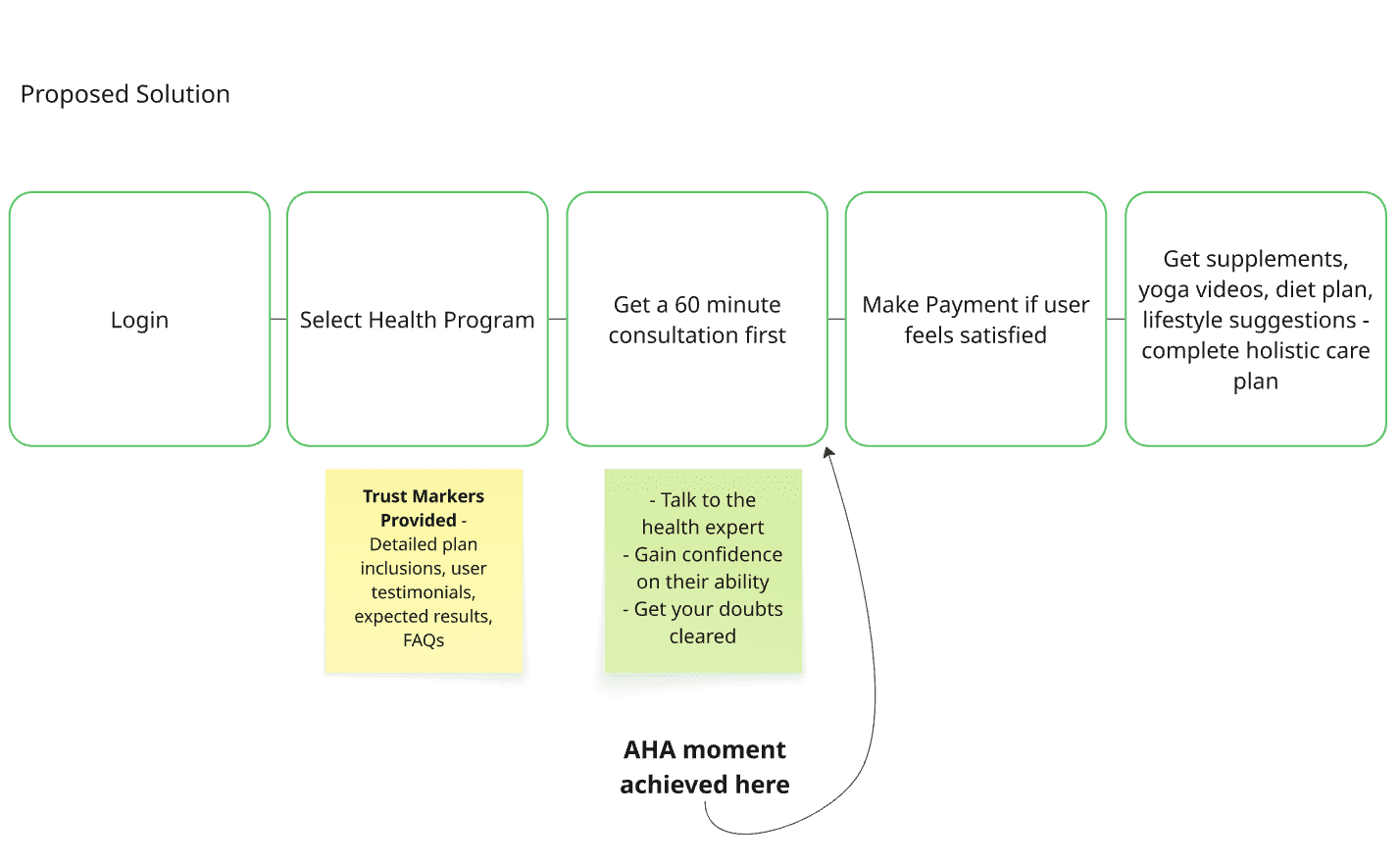
Launched a feature called “Try Now, Pay Later.”
Like “buy now, pay later,” but with chronic health consultations.
We showed users:
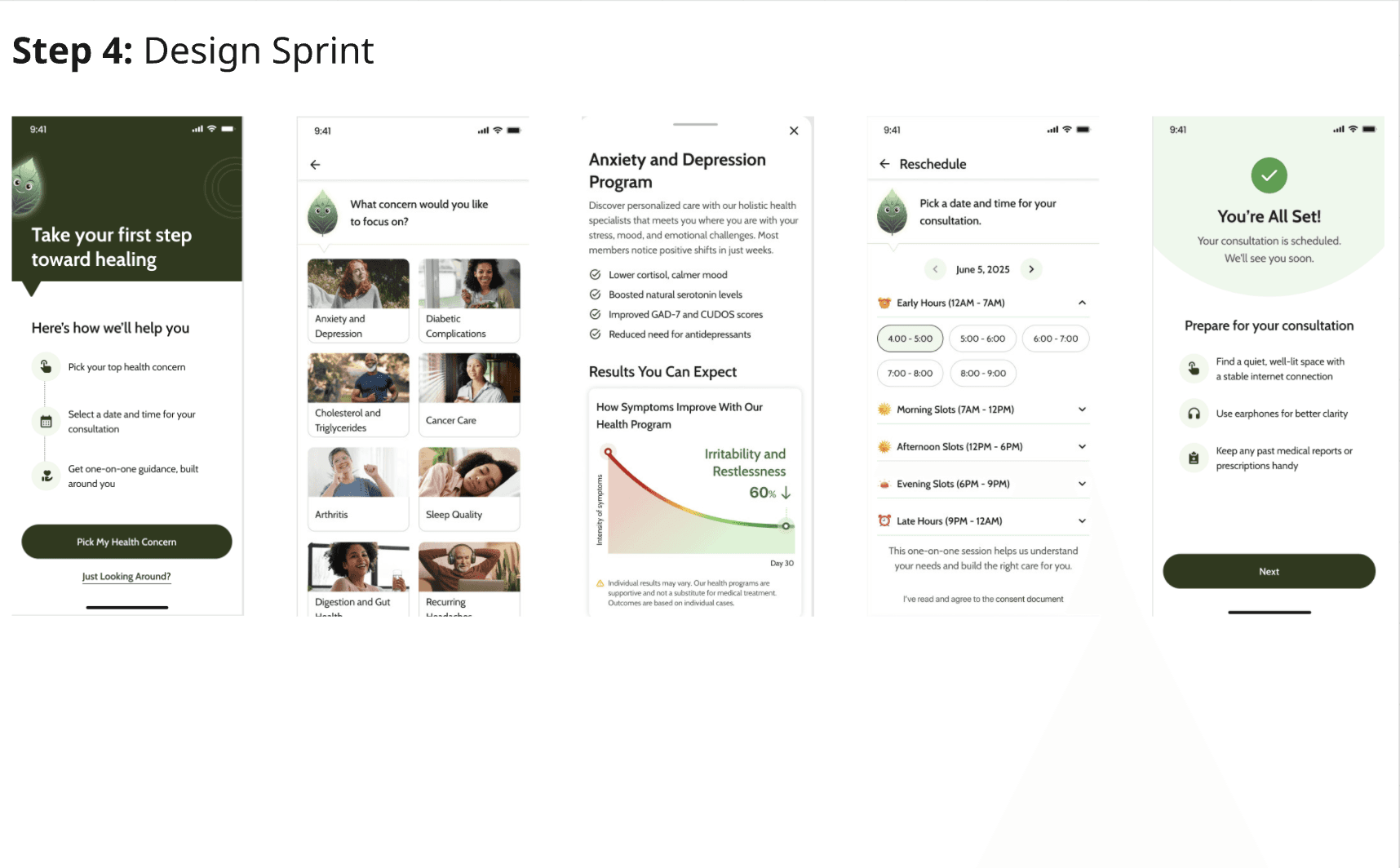
You can book your session
Talk to the expert
Get a teaser of the plan
Then decide if you want to pay.
Zero guilt. No credit card commitment anxiety. Just vibes.
Behind the Scenes
Created an eligibility engine so not everyone free-rode 😅
Worked with legal, ops, tech to protect our margins
Tweaked UX to make it feel generous, not desperate
Seems simple enough?
As a PM, the easiest pitfall you can get into is think that an idea is obvious, and start working on it. We landed on this approach after a lot of due diligence -
User Research to create empathy map: Conducted interviews, focused group discussions and analyzed user behavior to identify current friction point which was payment.
Realized that the first AHA moment (meeting health expert) was being realized too late in the journey.
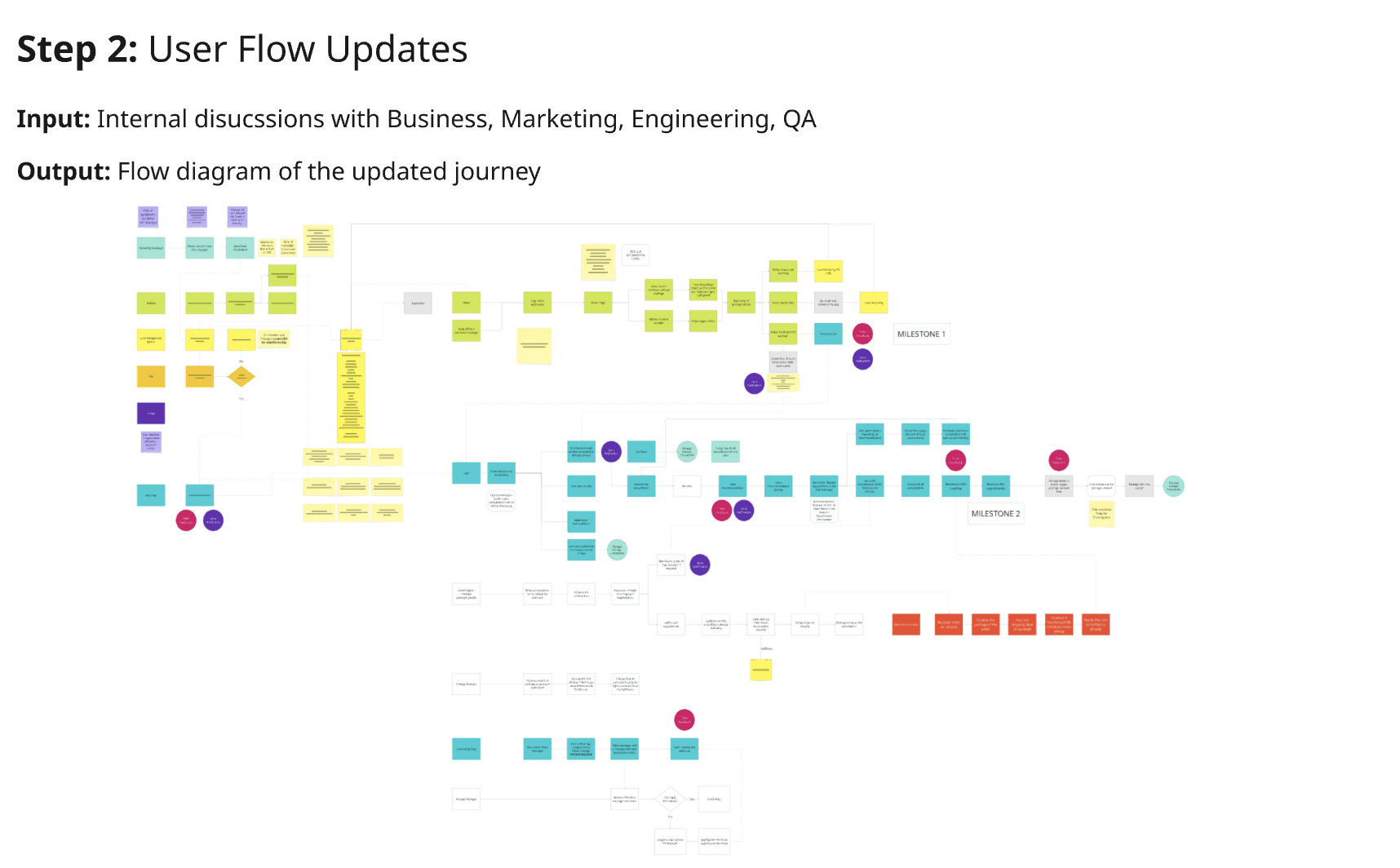
Updated flow - catering to giving the AHA moment early to users, without reducing the percieved value of the service.
Modern Design: Implemented a clean, mobile-responsive design with improved navigation and visual appeal.
Content Optimization: Enhanced descriptions, images, and incorporated empathy map to ensure the app feels natural to users.
Impact:
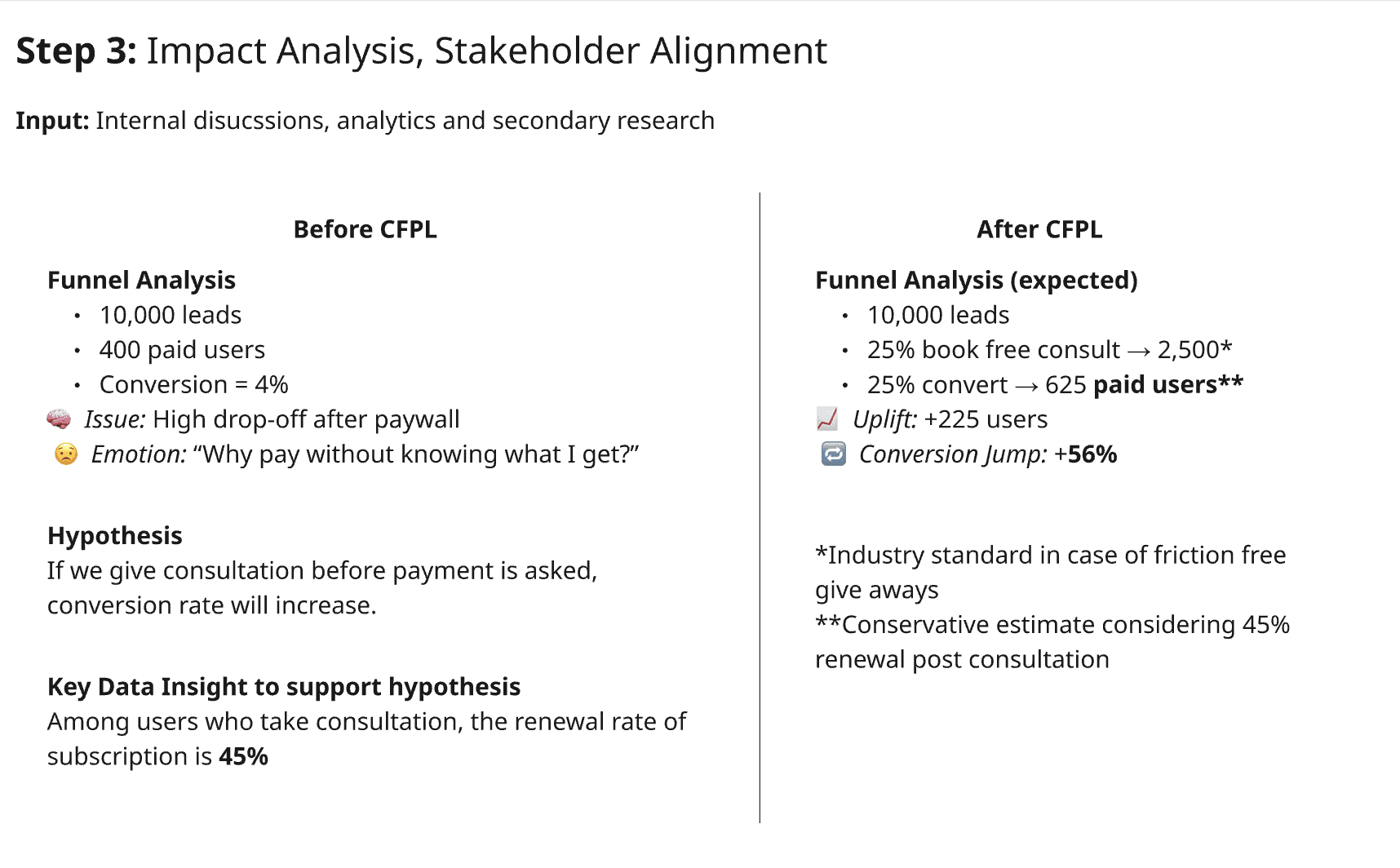
Conversion rate shot up by 56%
Product team got high-fives from marketing (rare species)
Users said things like:
“Felt like the app trusted me first.”
Don’t just ship features.
Ship confidence, trust, and AHA Moments.